Comprehending the Importance of Routine Oil Adjustment Service in Your Vehicle Solution Routine
Regular oil modification solution plays an essential function in maintaining a car's performance and durability (car maintenance). Engine oil lubes moving parts, decreases friction, and assists protect against getting too hot. Overlooking oil modifications can lead to serious consequences, including engine damage and raised fixing costs. Recognizing the indicators that suggest a required oil modification and the benefits of remaining on schedule can considerably affect an automobile's health. What aspects should one take into consideration to assure excellent oil adjustment techniques?
The Duty of Engine Oil in Vehicle Performance
Engine oil plays an important role in enhancing lorry efficiency by lubing engine elements and decreasing friction. This lubrication is very important for keeping suitable operating temperatures, as it helps dissipate heat created throughout engine operation. Additionally, engine oil functions as a barrier against impurities, protecting against deterioration on vital parts. High-quality oil can improve gas performance, making it possible for the engine to run more smoothly and effectively. Moreover, engine oil promotes the appropriate functioning of vital systems, such as the hydraulic lifters and timing chain. Normal oil modifications guarantee that the oil preserves its protective properties, permitting the engine to do at its best and lengthening its life expectancy. Correct maintenance of engine oil is therefore necessary for overall lorry integrity and efficiency.

Indications That Your Oil Demands Changing
Recognizing when engine oil needs altering is crucial for vehicle maintenance. Trick indications consist of dirty or dark oil, an increase in engine noise, and the activation of the oil change light. Dealing with these indications immediately can assist stop engine damages and assurance height efficiency.
Dark or Filthy Oil
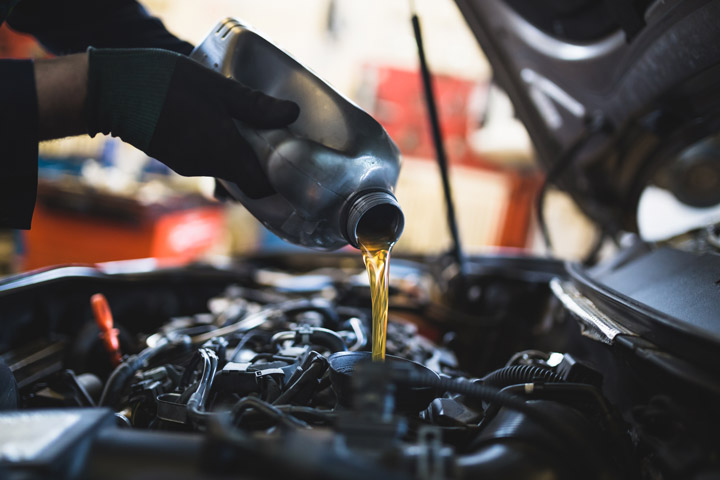
Oil acts as the lifeblood of a car's engine, and its condition can reveal essential information about maintenance needs. One prominent indicator that oil calls for transforming is its dark or unclean look. Fresh oil is normally a clear amber color, but as it circulates via the engine, it accumulates contaminants such as soot, dirt, and metal fragments. This build-up not only affects the oil's performance however can additionally lead to enhanced engine wear. When the oil shows up black or abrasive, it indicates that it has actually shed its lubricating buildings and is much less efficient in shielding engine parts. Consistently keeping track of oil shade and uniformity is crucial for making certain peak engine efficiency and longevity.
Engine Sound Increase
As lorries age and their elements put on, a boost in engine noise can commonly suggest a demand for oil modification. This sound may manifest as a knocking, ticking, or grinding noise, signifying inadequate lubrication within the engine. Gradually, engine oil comes to be polluted with dust and debris, shedding its performance in lowering rubbing among engine parts. Consequently, steel elements might enter closer call, triggering boosted sound degrees. If vehicle drivers see such changes, it might be prudent to set up an oil modification promptly. Ignoring these acoustic signals can bring about extra extreme engine damage, lowering the car's long life and performance. Regular oil modifications not just preserve engine wellness but additionally assure a quieter driving experience.
Oil Change Light On
A lit up oil modification light works as an essential alert for motorists, showing that it is time to change the engine oil. This caution light is designed to notify car owners when the oil's high quality has actually broken down or when it is nearing completion of its useful life. Disregarding this signal can lead to lowered engine efficiency, raised wear, and potential engine damage. Additionally, other indications may accompany the illuminated light, such as uncommon engine appears, lowered fuel performance, or a modification in oil color and consistency. Consistently checking the oil change light and responding promptly by arranging an oil adjustment can help preserve the automobile's wellness and long life, making certain peak efficiency for several years to find.
Benefits of Routine Oil Adjustments
Regular oil changes supply numerous benefits that extend the life of a car and improve its performance. Initially, fresh oil lubricates engine parts, decreasing friction and wear, which can result in costly repair services if overlooked. Furthermore, tidy oil enhances engine efficiency, causing better gas economy and reduced emissions. Normal oil changes additionally help keep excellent engine temperature level, avoiding getting too hot and potential damages. Moreover, they enable the discovery of prospective concerns early, such as leaks or unusual a knockout post particles, enabling timely fixings. This aggressive maintenance can considerably boost the car's resale worth. Generally, consistent oil modifications are a critical aspect of automobile treatment, ensuring reliability and suitable operating throughout its lifespan.
Exactly how Commonly Should You Change Your Oil?
Determining exactly how typically to alter oil is affected by numerous factors, consisting of supplier referrals, driving problems, and the sort of oil made use of. Each vehicle may have certain standards that show its style and efficiency demands. Furthermore, varying driving environments can demand changes to the regular oil adjustment interval.
Producer Recommendations
While numerous car owners might have their very own opinions on oil modification frequency, following manufacturer suggestions is important for perfect engine efficiency and durability. Manufacturers supply certain standards based on rigorous testing and design standards tailored per automobile's layout and engine type. Normally, these recommendations can range from every 3,000 to 10,000 miles, depending on the oil kind and automobile version. Following these guidelines guarantees that the his response engine obtains the essential lubrication and security against damage. Furthermore, routine adherence to the manufacturer's routine can assist maintain service warranty protection and enhance resale worth. Automobile proprietors must consult their owner's manual or a relied on technician to determine the appropriate oil change periods for their details vehicle.
Driving Problems Impact
Driving problems greatly influence exactly how frequently oil changes are necessary for excellent engine health and wellness. For example, frequent stop-and-go driving in metropolitan areas can lead to increased engine stress and quicker oil deterioration. Extreme temperature levels, whether hot or chilly, can affect oil viscosity and efficiency, requiring even more normal modifications. Cars made use of for hauling or lugging hefty lots additionally call for more frequent oil modifications due to the added anxiety on the engine. Additionally, driving on unpaved or rough roadways can introduce impurities into the oil, further affecting its efficiency. Subsequently, reviewing individual driving behaviors and problems is important for determining the finest oil modification interval, making sure the engine stays in peak problem and lengthening its lifespan.
Oil Type Factors To Consider
Exactly how does the type of oil utilized effect the regularity of oil modifications? The choice in between standard, synthetic blend, and complete synthetic oils greatly influences maintenance schedules. Traditional oils commonly call for more constant modifications, commonly every 3,000 to 5,000 miles, because of their shorter life-span and lower resistance to breakdown. In comparison, synthetic blends provide boosted security and can often expand oil modification periods to 5,000 to 7,500 miles. Complete artificial oils, known for their superior efficiency under extreme problems, can last between 7,500 and 15,000 miles, relying on driving behaviors and producer suggestions. Understanding these distinctions permits car proprietors to optimize their upkeep regimens and guarantee engine long life, ultimately minimizing costs and enhancing general lorry performance.
Choosing the Right Oil for Your Automobile
Picking the appropriate oil for a lorry can considerably influence its efficiency and durability - brake repair shop. Car proprietors should take into consideration a number of aspects when choosing electric motor oil, including the maker's specs, the environment in which they operate, and the driving conditions they encounter. Engine kind, whether gas or diesel, likewise plays a necessary role in oil choice. Owners must select in between conventional, synthetic, or combined oils based on thickness ratings described in the proprietor's manual. In addition, inspecting for qualifications, such as API or Find Out More ACEA, assurances compatibility and high quality. Routinely speaking with a trusted auto mechanic or vehicle professional can better lead the option process, eventually enhancing engine effectiveness and protecting vital elements. Making notified options regarding oil contributes substantially to a car's general wellness
The Expense of Neglecting Oil Change Service

Often Asked Concerns
Can Synthetic Oil Last Longer Than Standard Oil?
Synthetic oil commonly lasts longer than conventional oil due to its exceptional formula, which gives much better stability and resistance to break down (auto repair). This extensive life-span can result in less oil adjustments and possibly improved engine performance with time
Is It Okay to Mix Different Oil Types?
Blending various oil kinds is typically not suggested. Compatibility concerns can occur, impacting performance and engine health. It is suggested to adhere to one type, complying with maker standards for optimal lorry care and longevity.
Exactly How Does Oil Modification Affect Fuel Performance?
Oil adjustments can considerably enhance gas effectiveness. Clean oil lowers friction in the engine, permitting it to run even more smoothly and effectively, ultimately leading to boosted fuel consumption and decreased emissions gradually.
Can I Change My Very Own Oil in the house?
Yes, individuals can alter their very own oil in the house, given they have the required tools and knowledge. Correct disposal of made use of oil and adherence to automobile specifications are essential for a successful and environmentally accountable process.
What Tools Are Needed for an Oil Modification?
To perform an oil change, one requires an oil filter wrench, an outlet wrench set, an oil catch pan, a funnel, a new oil filter, the suitable motor oil, and security handwear covers for security.
Comments on “Tire protection tips that prolong overall tire life”